Your Rosacea Needs Extra Care During the Spring Months
Spring in Indianapolis brings blooming flowers, warming temperatures, and longer days, but for millions of Americans living with rosacea, the season also brings a frustrating surge in flares. The changes that make spring feel so refreshing are some of the very same rosacea causes that send sensitive skin into overdrive. Understanding what triggers your rosacea and how to respond is the first step toward enjoying the season without suffering for it.
What Is Rosacea?
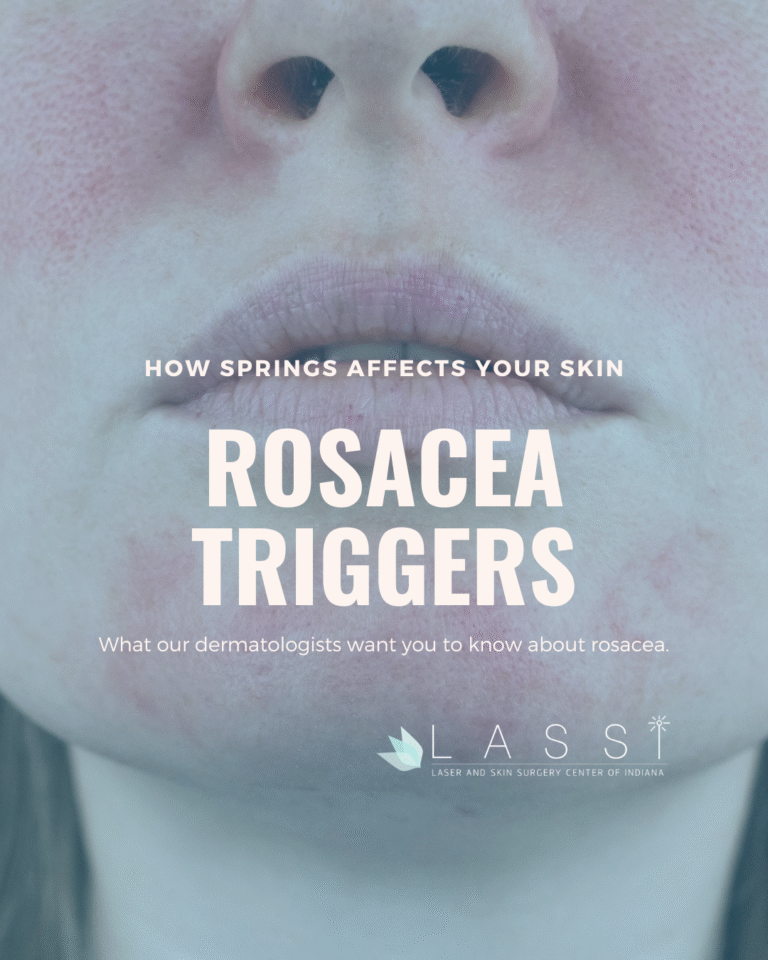
Rosacea is a chronic inflammatory skin condition that primarily affects the face, causing persistent redness, visible blood vessels, bumps, and, in some cases, thickening of the skin around the nose. It affects an estimated 16 million Americans and can range from mild flushing to more pronounced symptoms that significantly affect quality of life and self-confidence.
While rosacea has no cure, it is highly manageable, especially when you know your triggers. The condition tends to cycle between periods of remission and flares, and seasonal shifts are among the most reliable predictors of when symptoms will worsen. Spring, in particular, presents a perfect storm of environmental and lifestyle rosacea causes that dermatologists see reflected in their patient schedules every year.
Common Rosacea Causes That Peak in Spring
Rosacea causes are wide-ranging, but several become especially potent as the weather shifts from winter to spring. Knowing which ones are most active this time of year gives you a real advantage.
Sun Exposure: UV radiation is consistently ranked among the top rosacea causes across all skin types and severities. After months of overcast Indiana winters, spring’s stronger, longer sun exposure catches many rosacea patients off guard. Even a brief time outdoors can provoke redness and flushing. UV rays dilate blood vessels near the skin’s surface and trigger inflammation, making the sun one of the most potent and unavoidable rosacea causes in the spring months.
Temperature Fluctuations: Spring weather is notoriously unpredictable. Mornings that start at 45°F can warm to 72°F by afternoon. These rapid swings between cold and warm air are significant rosacea causes because your blood vessels must constantly constrict and dilate to regulate body temperature. This vascular stress is a direct pathway to flushing and flares.
Wind: Spring wind may seem harmless, but sustained wind exposure irritates the skin’s barrier, strips away moisture, and generates friction and heat on the face. All of these are established rosacea causes that can be especially hard to avoid during an active Indiana spring.
Seasonal Allergies: For rosacea sufferers who also deal with seasonal allergies, spring is doubly challenging. Histamine responses triggered by pollen can worsen facial inflammation. Additionally, rubbing irritated or itchy eyes and cheeks — a common reflex for allergy sufferers — physically aggravates rosacea-prone skin. Some antihistamine medications can also cause systemic dryness that makes the skin more reactive to other rosacea causes.
Outdoor Exercise: Warmer weather tends to move workouts outside, and exercise-induced heat and sweating are well-documented rosacea causes. Elevated body temperature from a run, bike ride, or outdoor yoga class causes blood vessels to dilate. This is exactly the response that triggers flushing and redness in rosacea-prone skin.
Dietary Shifts: Spring and summer eating often means more outdoor dining, warmer beverages, spicy foods, and alcohol. All of these recognized rosacea causes can worsen flushing quickly.
How to Protect Your Skin from Rosacea Triggers This Spring
The good news is that once you identify the rosacea causes most relevant to your skin, you can take meaningful steps to reduce their impact.
Prioritize Broad-Spectrum SPF Daily: Apply a broad-spectrum SPF 30 or higher every single morning, regardless of whether you plan to be outside long. Mineral sunscreens containing zinc oxide or titanium dioxide are generally better tolerated by rosacea-prone skin than chemical alternatives. Reapply every two hours when spending extended time outdoors.
Dress Strategically: Wide-brimmed hats and UV-protective clothing add a physical barrier against both sun and wind. On cool mornings that warm quickly, dress in breathable, easily removable layers, so you’re not caught overheating in a heavy coat by noon.
Modify Your Workouts: You don’t have to give up outdoor exercise; just adjust how you approach it. Work out during cooler morning or evening hours, stay hydrated, use a cool mist spray during your workout, and cool down with a cold cloth on your face and neck afterward. Choosing shaded trails over open sun-exposed paths also reduces your exposure to two major rosacea causes simultaneously: UV radiation and heat.
Manage Allergy Symptoms Wisely: Work with your physician to manage seasonal allergies in a way that minimizes skin irritation. Avoid rubbing or touching your face, keep antihistamines non-sedating where possible, and if your skin feels more reactive during allergy season, consider stepping back to the gentlest version of your skincare routine.
Simplify Your Skincare: Spring is not the time to add new actives, exfoliants, or fragranced products. Stick to a gentle, fragrance-free cleanser, a calming moisturizer that supports the skin barrier, and your SPF. Avoid astringents, alcohol-based toners, and harsh scrubs, which strip the skin and make it more vulnerable to the rosacea causes you’re already trying to avoid.
Keep a Trigger Journal: Because rosacea causes vary significantly from person to person, tracking your flares alongside your daily activities, foods, weather conditions, and stress levels can reveal patterns specific to your skin. This information becomes invaluable when working with your dermatologist to personalize your treatment plan.
What to Do When a Rosacea Flare Happens
Even with the best precautions, flares can occur. When they do, here is what our board-certified dermatologists recommend:
Cool and Calm the Skin Immediately: Remove yourself from the heat, sun, or trigger environment as quickly as possible. Apply a cool, not ice-cold, compress to the affected area. This helps reduce vascular dilation and soothe surface irritation.
Resist the Urge to Treat Aggressively: During a flare, less is more. Do not apply multiple products, introduce anything new, or aggressively cleanse in an attempt to “fix” the redness. Over-treating a flare often prolongs it.
Use Only Your Known-Safe Products: Stick exclusively to the products your dermatologist has approved. A gentle, fragrance-free moisturizer with ceramides can help restore the skin barrier, which becomes compromised during flares.
Review Your Prescriptions: If you have topical or oral medications prescribed for rosacea, use them as directed. Common medical treatments include topical metronidazole, azelaic acid, ivermectin cream, and oral antibiotics or low-dose doxycycline for more significant flares. Laser and light-based treatments, including pulsed-dye laser and intense pulsed light (IPL), are also highly effective long-term options for managing visible blood vessels and persistent redness.
Follow Up with Your Dermatologist: If flares are becoming more frequent, longer in duration, or more severe than usual, it is a signal that your current management plan may need to be updated. Spring is an ideal time to schedule a dermatology visit and reassess your approach for the warmer months ahead.
Take Control of Your Rosacea This Spring
Rosacea causes are everywhere in the spring environment, but they don’t have to dictate how you feel about your skin. With the right knowledge, a proactive prevention plan, and expert medical support, you can enjoy the season with confidence.
If you’re ready to get ahead of spring flares and find a treatment approach tailored to your skin, we encourage you to reach out. Dr. C. William Hanke and our team of board-certified dermatologists and skin care experts at the Laser and Skin Surgery Center of Indiana are here to help. Our Indianapolis dermatology practice offers comprehensive rosacea evaluation and treatment, including advanced laser therapies designed to address rosacea causes at their source.
Give us a call or contact us online today to schedule your appointment. Your clearest, calmest skin starts with a conversation.
The Laser and Skin Surgery Center of Indiana serves patients throughout Indianapolis and the surrounding communities. Our team of board-certified dermatologists and skin specialists is dedicated to providing expert, compassionate care for all skin conditions, including rosacea.