

Semaglutide 101
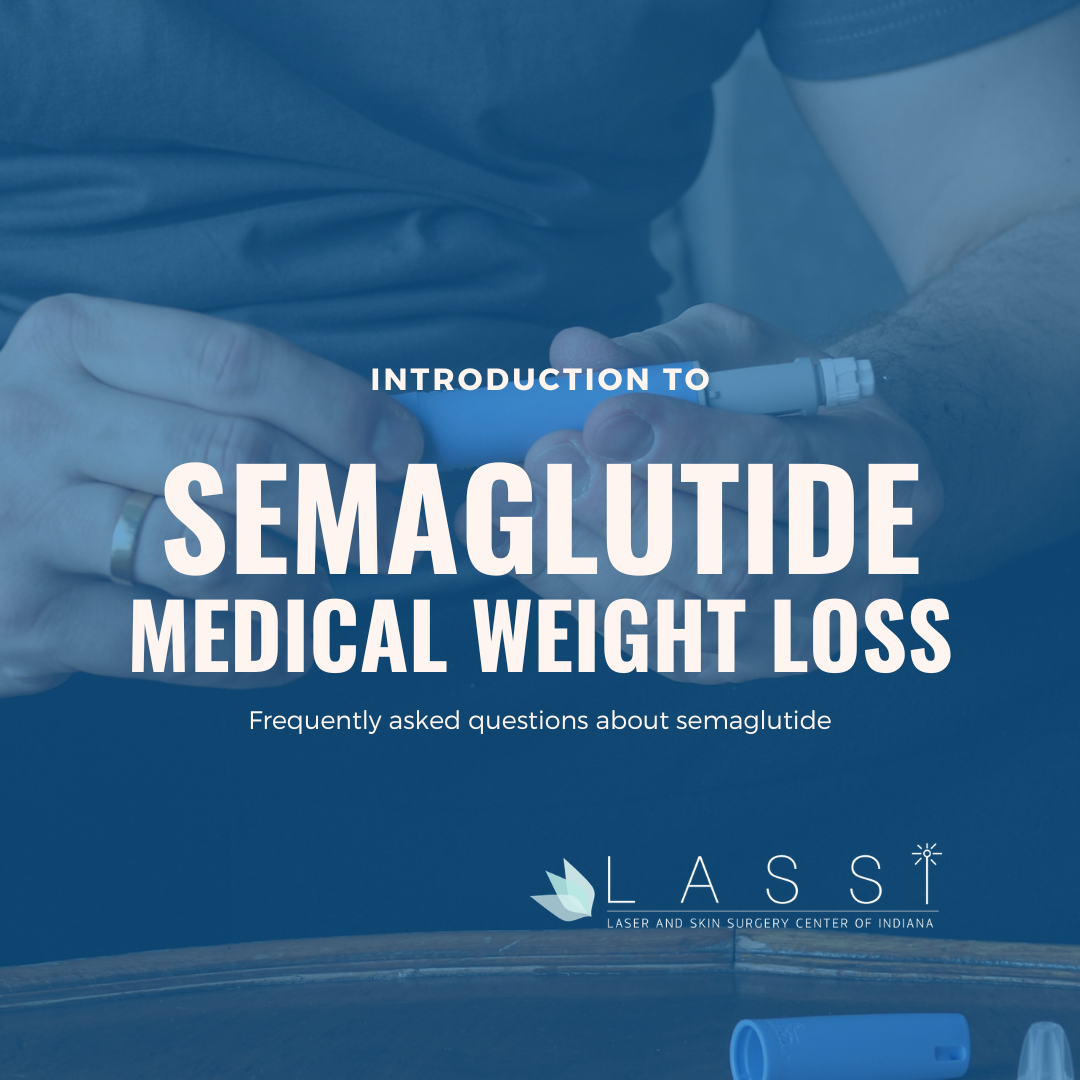
What You Need to Know About Semaglutide Before Starting Weight Loss Injections
Semaglutide, a once-weekly injectable medication, has changed the landscape of obesity treatment and medical weight loss, offering a science-backed option for patients who have struggled with diet and exercise alone.
At the Laser and Skin Surgery Center of Indiana (LASSI) in Indianapolis, semaglutide injections are offered as part of a comprehensive, physician-guided weight loss program. Before starting treatment, it’s important to understand how this medical weight loss treatment works, who qualifies, what risks to consider, and what happens long term.
This Semaglutide 101 guide covers the essentials and answers the most frequently searched questions patients ask online.
What Is Semaglutide?
Semaglutide is a prescription medication that belongs to a class of drugs called GLP-1 receptor agonists. GLP-1 (glucagon-like peptide-1) is a hormone your body naturally produces in the gut. It helps regulate:
- Appetite
- Insulin release
- Blood sugar levels
- Gastric emptying
By mimicking this hormone, semaglutide helps you feel fuller longer, reduces appetite, and stabilizes blood sugar. The result for many patients is significant and sustained weight loss when combined with lifestyle changes.
Semaglutide is FDA-approved under brand names including:
- Wegovy for chronic weight management
- Ozempic for type 2 diabetes
Clinical trials have shown average weight reductions of approximately 15% of body weight over 68 weeks when combined with lifestyle intervention. These results are substantially higher than older weight loss medications.
How Does Semaglutide Work for Weight Loss?
This weight loss injection supports weight loss in three primary ways:
Appetite Suppression
Semaglutide acts on appetite centers in the brain, reducing hunger and food cravings.
Slower Gastric Emptying
Food stays in the stomach longer, helping you feel full after smaller meals.
Improved Blood Sugar Regulation
Stable blood sugar reduces energy crashes and hunger spikes.
This multi-pronged approach makes this treatment different from stimulant-based weight loss medications of the past.
Who Is a Candidate for Semaglutide?
Semaglutide is typically prescribed for adults who meet one of the following criteria:
- BMI of 30 or higher (obesity)
- BMI of 27 or higher with at least one weight-related condition such as:
- Type 2 diabetes
- Hypertension
- Dyslipidemia
- Obstructive sleep apnea
At the LASSI in Indianapolis, patients undergo a thorough medical evaluation before beginning injections to ensure safety and appropriateness.
Can I Get Semaglutide Without Seeing a Doctor?
No. Semaglutide is a prescription medication and must be prescribed by a licensed healthcare provider. Because it affects hormones, blood sugar, and digestion, medical supervision is essential.
A qualified provider will:
- Review your medical history
- Evaluate medications you are currently taking
- Assess contraindications
- Discuss potential side effects
- Monitor progress and safety
Avoid online sources offering semaglutide without proper medical evaluation. Non-medical sources may sell compounded or improperly stored products, which can pose serious risks.
What Disqualifies You from Getting Semaglutide?
You may not qualify if you have:
- A personal or family history of medullary thyroid carcinoma
- Multiple endocrine neoplasia syndrome type 2 (MEN 2)
- History of pancreatitis
- Severe gastrointestinal disease
- Pregnancy or breastfeeding
- Known hypersensitivity to semaglutide
These exclusions are based on safety data and FDA guidance. Your provider will review these factors carefully during your consultation.
Is It Hard to Get Approved for Semaglutide?
Approval depends on two factors:
- Medical eligibility
- Insurance coverage (if applicable)
From a medical standpoint, approval is straightforward if you meet BMI criteria and do not have contraindications.
Insurance approval, however, can vary. Some insurance plans cover semaglutide for type 2 diabetes more readily than for weight loss. Coverage for obesity treatment is improving but remains inconsistent.
At the LASSI, patients receive guidance on coverage options and alternative pathways if insurance does not apply.
Who Is Not a Good Candidate for Semaglutide?
Semaglutide may not be appropriate for:
- Individuals seeking cosmetic-only weight loss
- Patients with uncontrolled endocrine disorders
- Those with a history of severe gastrointestinal disorders
- Patients unwilling to commit to lifestyle changes
- Individuals planning pregnancy
Treatment works best as part of a structured medical weight loss program—not as a stand-alone quick fix.
What Diagnosis Will Cover Semaglutide?
Insurance coverage often depends on diagnosis codes such as:
- Type 2 diabetes
- Obesity (BMI ≥30)
- Overweight (BMI ≥27) with comorbid conditions
Coverage policies differ widely between insurers. Some plans cover treatment only for diabetes, while others include chronic weight management under obesity treatment guidelines.
A medical evaluation ensures appropriate documentation if insurance coverage is pursued.
How to Get Semaglutide Easily?
The safest and most efficient way to obtain semaglutide is through a reputable medical practice offering supervised weight loss programs.
Steps typically include:
- Schedule a medical consultation
- Complete health screening and lab work
- Review candidacy and risks
- Begin physician-supervised injections
- Attend follow-up visits for monitoring
At the LASSI in Indianapolis, semaglutide injections are integrated into a comprehensive weight management plan that includes dietary counseling, medical oversight, and ongoing evaluation.
There is no shortcut that replaces proper medical assessment—and attempting to bypass evaluation increases health risks.
What Happens If You Stop Taking Semaglutide?
Clinical studies show that many patients regain weight after discontinuing treatment if lifestyle changes are not maintained.
Because semaglutide regulates appetite and satiety hormones, stopping the medication may result in:
- Increased hunger
- Gradual weight regain
- Return of prior eating patterns
Long-term weight management often requires sustained behavioral strategies, ongoing medical monitoring, and sometimes continued medication use.
Patients considering discontinuation should consult their healthcare provider to develop a transition plan.
Common Side Effects
Like all medications, semaglutide can cause side effects. The most common include:
- Nausea
- Vomiting
- Diarrhea
- Constipation
- Abdominal discomfort
These effects are typically mild to moderate and improve as the body adjusts. Dose escalation schedules are designed to minimize gastrointestinal symptoms.
Serious side effects are rare but can include:
- Pancreatitis
- Gallbladder disease
- Thyroid tumors (observed in rodent studies)
Close medical supervision helps mitigate risks.
What Makes This Different from Older Weight Loss Medications?
Traditional weight loss medications often relied on stimulants that suppressed appetite short term. Semaglutide works differently by targeting hormonal pathways that regulate hunger and metabolism.
Clinical data demonstrate sustained weight reduction when combined with behavioral modification. This evidence-based mechanism makes semaglutide one of the most effective non-surgical weight loss treatments currently available.
Why Medical Supervision Matters
Weight loss injections are not cosmetic procedures—they are medical therapies that affect systemic physiology.
At the LASSI in Indianapolis, treatment is provided under physician oversight as part of a structured program. Patients receive:
- Personalized treatment plans
- Ongoing monitoring
- Dose adjustments
- Safety evaluations
- Long-term weight maintenance strategies
This medical approach improves both safety and success rates.
Is Semaglutide Right for You?
Semaglutide represents a significant advancement in obesity medicine. For qualified candidates, it can support meaningful weight reduction, improved metabolic health, and enhanced quality of life.
However, it is not appropriate for everyone. A thorough medical evaluation is essential to determine candidacy, minimize risks, and maximize long-term results.
If you are in Indianapolis and considering semaglutide injections, the LASSI offers physician-directed weight loss programs designed to help patients achieve sustainable outcomes safely.
Bottom line: Informed decisions, medical supervision, and lifestyle commitment are essential components of successful treatment.
If you are ready to explore whether semaglutide is right for you, scheduling a professional consultation is the safest first step toward lasting weight management.
